

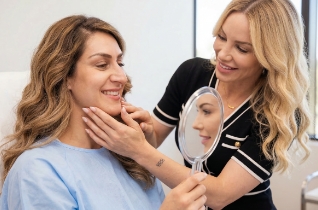
Skin pigmentation is a common concern that can present as dark patches, uneven skin tone or areas of discolouration on the face. It can be caused by hormonal changes, sun exposure, skin inflammation, age-related skin changes or genetics.
Introducing Cosmelan
Cosmelan is a professional depigmentation treatment developed by Mesoaesthetics and designed to address skin pigmentation issues associated with excess melanin production.
Cosmelan targets the biological processes responsible for melanin formation. Regulating these processes helps manage pigment production in the skin.
Cosmelan is usually delivered in two phases. First, there is an in-clinic application, followed by a structured home-care regimen to support the treatment process.
Types of Pigmentation Addressed
Cosmelan is formulated to address several types of pigmentation associated with increased melanin production, including:
- age spots or solar lentigines
- freckles
- melasma (hormonal pigmentation)
- sun-induced pigmentation
- post-inflammatory hyperpigmentation
How Cosmelan works
Cosmelan inhibits tyrosinase, an enzyme involved in melanin production. By regulating this enzyme activity, Cosmelan helps control pigment production.
The treatment has two phases. First, in the clinic, a depigmenting mask is applied to the face. The second phase involves home care with specifically formulated topical products designed to continuously regulate pigmentation and support the skin throughout the treatment period.
This structured approach is designed to address both existing pigmentation and the underlying processes involved in pigment formation.
Cosmelan vs Dermalen
Mesoestetic has two depigmentation treatments: Cosmelan and Dermalen.
Cosmelan is typically used in aesthetic sessions and may be performed by trained skin therapists.
Dermalen is considered a medical-grade depigmentation treatment and has a more intensive treatment protocol that must be administered under medical supervision. It is approved for use by registered doctors and nurses.
At Bella Plastic Surgery, we typically recommend Dermalen for those with more persistent or complex pigmentation concerns.
Recovery & After-Care
Recovery after Cosmelan treatment varies from person to person. It depends on factors such as the severity of the pigmentation, skin type and the skin’s response to treatment.
In the first few days after treatment, skin often appears dry, tight or red. Some individuals can also experience mild flaking or peeling as the skin progresses through the renewal process.
The home care phase of the Cosmelan program is an essential part of the treatment protocol and involves the use of topical prescription products. These products are designed to support the treatment process and help regulate skin pigmentation.
All patients will receive detailed verbal and written instructions on how to care for their skin during treatment, including recommendations on sun protection and appropriate skincare products.
Cost
The Cost of Cosmelan treatment depends on the type and severity of the pigmentation, the areas being treated, and the products required as part of the treatment program. As Cosmelan involves both in-clinic treatment and a home-care component, all individuals require a consultation to assess the skin and discuss an appropriate treatment plan, with all costs outlined.
Potential Risks & Side-Effects
All nonsurgical skin treatments carry potential risks and side effects. These can include skin sensitivity, redness, changes in pigmentation such as lightening or darkening of the treated area, crusting, infection, and, in rare cases, scarring.
Individual healing responses vary, and outcomes cannot be guaranteed. During your consultation, your cosmetic nurse will discuss all potential risks and the expected recovery process. For more information, please refer to our Potential Risks and Complications page.
